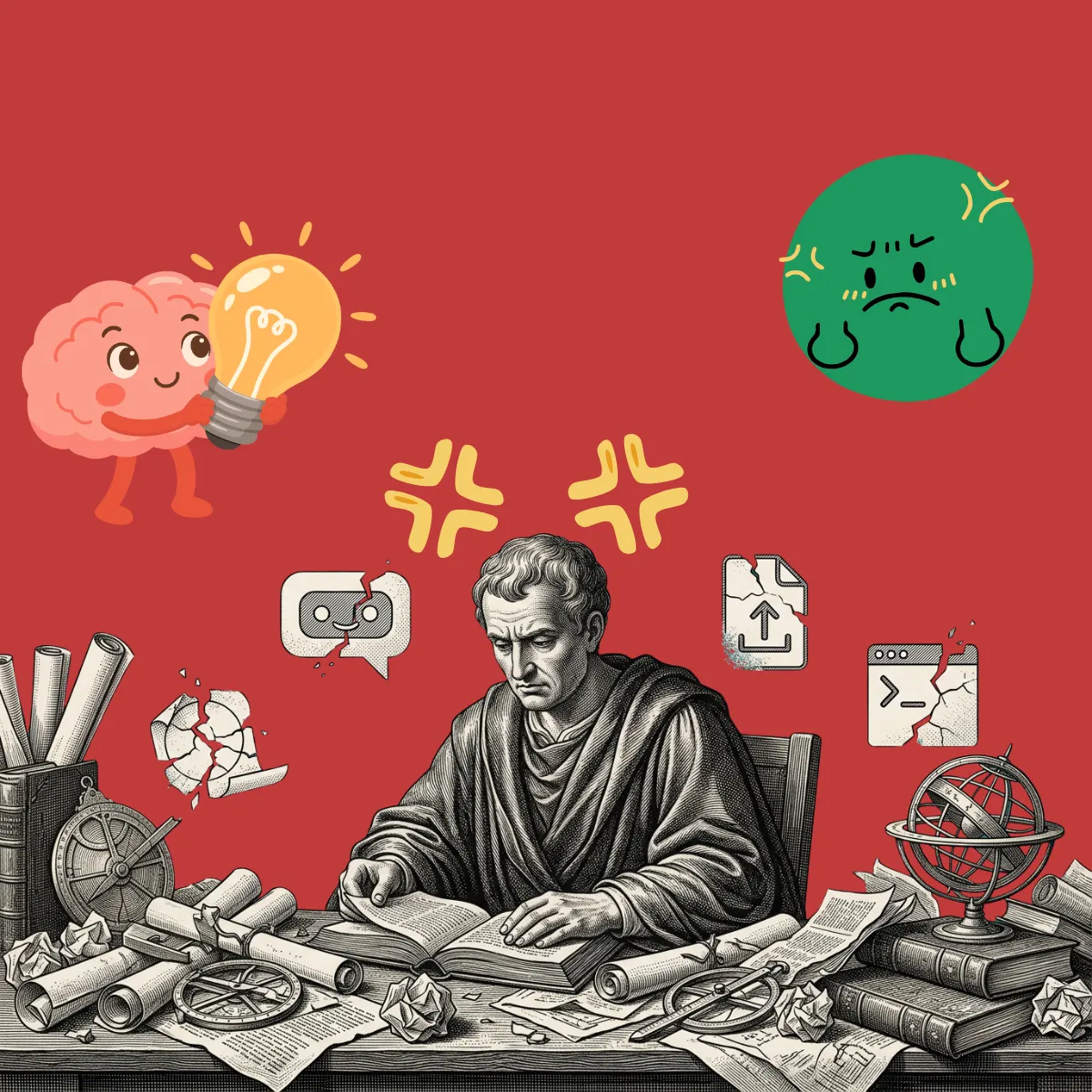
Claude can now control your Windows desktop, but don't hand over the keys yet
Desktop control landed on Windows, ten days after macOS. Pro and Max subscribers can assign tasks from their phone and let Claude execute them while they're away. Anthropic themselves call this a research preview. The honest read: this is where professional AI is heading, but today it's better suited for structured, repeatable workflows than open-ended tasks.
Anthropic$122 billion buys a lot of GPUs, but does it buy a business model?
OpenAI closed the largest private funding round in history. Post-money valuation: $852B. Revenue: $2B per month. But projected losses of $17B in 2026, rising to $35B in 2027. An NBER study found 90% of firms report zero AI impact on productivity. The 'AI will pay for itself' thesis is still unproven at the industry level, even as it's clearly proven at the individual level.
OpenAITwo legal developments that will shape which AI tools you can use at work
The EU AI Act's final compliance deadline is 2 August 2026. 78% of organisations are unprepared. Penalties: up to 35M EUR or 7% of global turnover. Meanwhile, a US federal judge blocked the Trump administration's ban on Anthropic's models in government, calling it 'Orwellian.' Which AI tools you can use is becoming a legal question, not just a preference.
MultipleBen Thompson on AI and security: worse before it gets better
On 31 March, 512,000 lines of Claude Code's TypeScript source were exposed via a missing .npmignore entry. Malware exploits appeared within 48 hours. Thompson's thesis: AI will be bad for security short-term, but better than humans long-term. For professionals giving AI agents access to their professional context, the implication is simple: treat that context like sensitive data.
Stratechery